About us

Obelis
Who is Obelis?
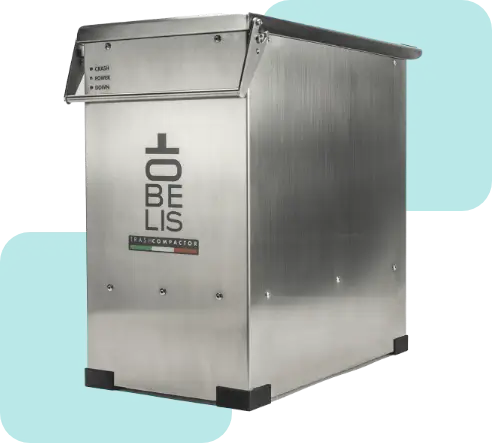
Obelis Compactor Gressani Srl is an innovative startup founded in March 2018 and recognized by the T2I incubator for the advanced technical features of its product. The company specializes in the design and production of cutting-edge trash compactors, unique in the global market and adaptable to a wide range of sectors—including recreational boating, residential use, campers, alpine shelters, medical practices, and the hospitality industry.
innovation
sustainability
Obelis – the compact yet powerful solution for waste management in any environment, from boating to alpine huts, campers to the hospitality industry, and even your home.

Why
Why choose Obelis?
Obelis stands out for the innovation and reliability of its waste compaction solutions, designed to meet the needs of various industries, from boating to hospitality. With patented technologies and a design focused on efficiency, Obelis compactors reduce waste volume in a practical, sustainable, and safe way. Choosing Obelis means investing in a high-quality, Italian-made product that simplifies waste management while helping to reduce environmental impact.
FAQ
Faq
Before starting compression, a plastic bag must always be placed inside the compactor. After compaction, to add more waste or remove the full bag, slightly lift the handle until you hear the first click (partial opening). This activates the automatic descent of the base, indicated by the Down LED lighting up. Once the descent is complete and the LED turns off, you can fully lift the handle and open the lid to continue filling or emptying the Trash Compactor.
Obelis delivers the best results with non biodegradable, non rigid waste, such as plastic bottles (without caps), Tetra Pak containers, paper, cardboard, and lightweight blister packs. It can also compact moderately moist organic waste, like wilted flowers and food scraps. Additionally, it is compatible with medium-rigidity waste, including aluminum cans and rigid or semi-rigid plastic containers. However, glass, non-deformable materials, and waste containing liquids should not be placed inside the compactor.
If the compactor comes into contact with water, immediately disconnect it from the power supply and do not attempt to turn it back on. Exposure to liquids may compromise the safety of electrical and electronic components. In this case, contact technical support for an assessment and further instructions.
If the compactor doesn’t turn on or isn’t functioning properly, first check that it’s correctly connected to the power supply and that no objects are obstructing the mechanism. If the issue persists, do not attempt to repair it yourself—contact technical support for diagnostics and assistance.